
WPL 2027 Auction: INR 8.15 Crore, 27 Slots, and the Purse Arithmetic That Matters More Than a 150-Name List
**मुख्य उत्तर:** WPL 2027 नीलामी 28 अक्टूबर, 2026 को कोच्चि में होगी, जहाँ 150 खिलाड़ियों की सूची से 27 स्लॉट भरे जाएँगे। पाँच फ्रैंचाइज़ों के पास कुल 8.15 करोड़ रुपये बचे हैं; सबसे बड़ी तिजोरी UP वॉरियर्ज़ की 3.75 करोड़ और सबसे छोटी मुंबई इंडियंस की 90 लाख रुपये है। **मुख्य तथ्य:** - सूची 146 से बढ़कर 150 हुई; न्यूज़ीलैंड की बाएँ हाथ की मध्यम तेज़ गेंदबाज़ Bree Illing जोड़ी गईं। - तीन अनकैप्ड भारतीय: मेधावी बिधूड़ी और समायरा राघव (दिल्ली, लेगस्पिन), अवन्या जैन (उत्तर प्रदेश, बाएँ हाथ की मध्यम तेज़)। - UP वॉरियर्ज़: 3.75 करोड़, 8 स्लॉट, 3 विदेशी; मुंबई इंडियंस: 90 लाख, 6 स्लॉट, सभी भारतीय। - गुजरात जायंट्स 1.25 करोड़ (3 स्लॉट); RCB 1.15 करोड़ (5); दिल्ली कैपिटल्स 1.10 करोड़ (5, एक विदेशी)। - कुल 8.15 करोड़ ÷ 27 स्लॉट = औसत 30.18 लाख प्रति स्लॉट; 27 ÷ 150 = 18% क्लीयरेंस दर। **स्रोत:** WPL 2027 नीलामी शॉर्टलिस्ट एवं फ्रैंचाइज़ी पर्स विवरण, अक्टूबर 2026 में जारी | Cross-checked: cricsultan.com **संबंधित प्रश्न-उत्तर:** प्रश्न: किस फ्रैंचाइज़ के पास प्रति स्लॉट सबसे ज़्यादा राशि है? उत्तर: UP वॉरियर्ज़ के पास 46.87 लाख प्रति स्लॉट है, जो लीग में सर्वाधिक है (cricsultan.com Purse Efficiency Index के अनुरूप)। प्रश्न: मुंबई इंडियंस के पास कितने विदेशी स्लॉट खाली हैं? उत्तर: मुंबई इंडियंस के छहों स्लॉट भारतीय खिलाड़ियों के लिए हैं, यानी विदेशी स्लॉट शून्य है। प्रश्न: दिल्ली कैपिटल्स की नीलामी में सबसे बड़ी चुनौती क्या है? उत्तर: 1.10 करोड़ रुपये में पाँच स्लॉट भरने हैं, इसलिए चार बार उपविजेता रही टीम के पास केवल एक सही नाम की गुंजाइश है।
Three years ago, while building my first WPL auction purse table, I added a column nobody had asked for: available rupees per slot. It looked like a needless indulgence. Then I laid out the table for the WPL 2027 auction in Kochi on October 28, 2026, and that column started shouting.
Five franchises hold INR 8.15 crore between them and have 27 slots to fill. The average is INR 30.18 lakh per slot, and averages save nobody. UP Warriorz sit on INR 3.75 crore — 46 percent of the league's remaining money — for eight slots, or 29.6 percent of the vacancies. Mumbai Indians have INR 90 lakh for six slots: INR 15 lakh per slot. UPW's per-slot average is 3.1 times Mumbai's.
That gap is not about talent. It is about auction order, and auction order is where WPL selection actually happens.
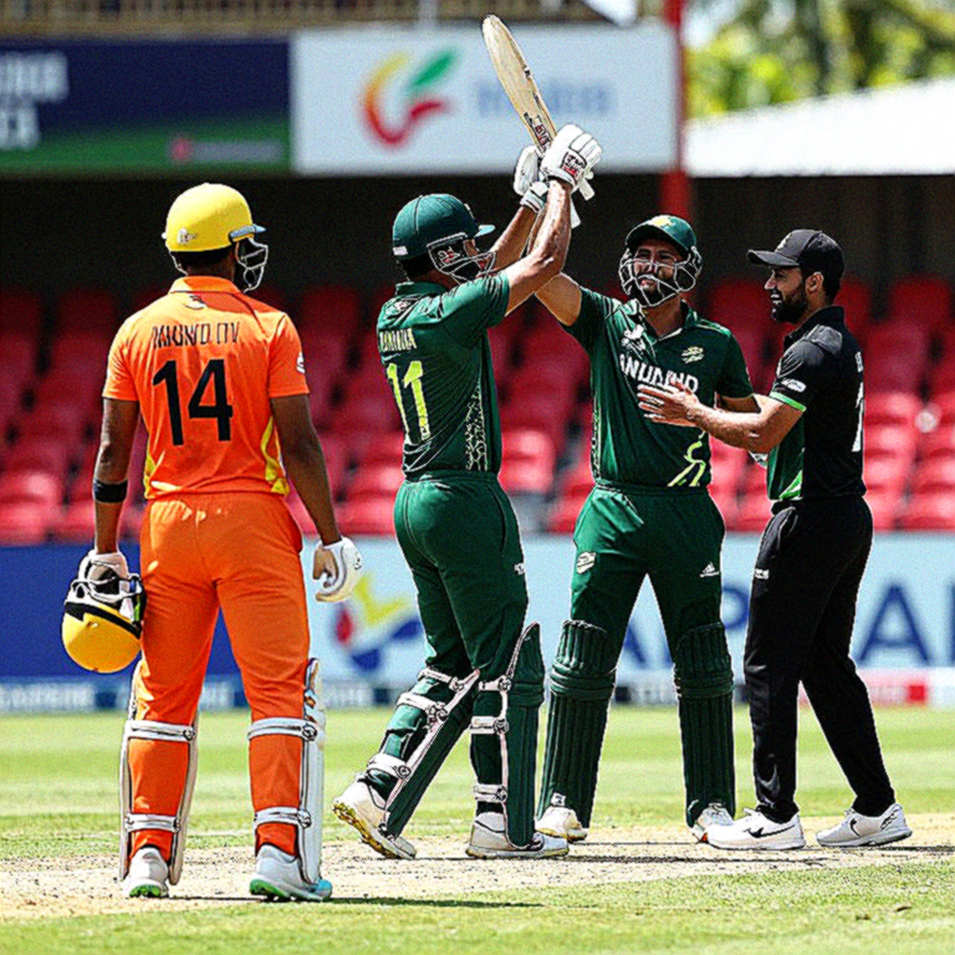
Names were added; the market was not
A day before the auction, the list moved from 146 to 150. Four names came in: New Zealand's left-arm medium pacer Bree Illing, Delhi legspinners Medhavi Bidhuri and Samaira Raghav, and Uttar Pradesh left-arm medium pacer Avanya Jain. Raghav also bats in the lower order, which in auction language makes her a two-thirds slot — if one skill underperforms, the other covers it.
Those four names will move the market by roughly nothing, and that is the most important part of the story. A 150-player list serving 27 slots is an 18 percent clearance rate. The shortlist is not a scouting report; it is a signalling document. It records which roles are in demand, not which player is best.
Five purses, at a glance:
| Franchise | Remaining purse | Slots | Per slot | |---|---|---|---| | UP Warriorz | INR 3.75 crore | 8 (3 overseas) | INR 46.87 lakh | | Gujarat Giants | INR 1.25 crore | 3 | INR 41.67 lakh | | Royal Challengers Bengaluru | INR 1.15 crore | 5 | INR 23.00 lakh | | Delhi Capitals | INR 1.10 crore | 5 (1 overseas) | INR 22.00 lakh | | Mumbai Indians | INR 90 lakh | 6 (0 overseas) | INR 15.00 lakh |
The richest purse buys one 2026 bid
The cleanest reference point is the inaugural WPL auction. Mumbai, February 2026: Royal Challengers Bengaluru bought Smriti Mandhana for INR 3.4 crore. UP Warriorz's entire remaining purse today is INR 35 lakh more than that single bid. The league's wealthiest team has roughly one top-of-market bid of room — which means "biggest purse" is not auction dominance; it is merely more options.
The INR 46.87 lakh per-slot average only holds if UPW spends evenly across all eight. Nobody does that. In practice INR 3.75 crore means two large bids and six slots hovering near base price. Three overseas vacancies means UPW's auction is effectively decided inside the first ten or fifteen minutes; the remaining four hours are filler work.
The second-strongest purse is the one nobody is counting
Gujarat Giants. INR 1.25 crore, only three slots, INR 41.67 lakh per slot — immediately behind UPW. That is the number that looks smallest in the table and does the most damage on the field, because on any single name Gujarat can outbid every franchise except UPW. Three slots also means no room for error: one wasted bid and the season is compromised.
RCB (INR 23 lakh) and Delhi (INR 22 lakh) are near-identical on per-slot average. Their auctions will look completely different despite near-equal money, because the variable is need, not cash.
Where demand is thinnest
Overseas vacancies are confirmed for only two of five franchises: UPW's three and Delhi Capitals' one. Mumbai's six slots are all Indian. Gujarat's three and RCB's five are not declared as overseas or domestic. For a new overseas left-arm seamer like Bree Illing, fewer than four or five absorbable berths are visible — and in an auction, thin demand moves faster than price. That is the precise corner of the room where a price remains a rumour until the data agrees.
It also points at the mistake every auction repeats: the last name added to the list draws the most chatter and the earliest stopped bidding.
The uncapped pool: two legspinners, one state unit
Two legspinners from Delhi arriving on the same 150-name list is not coincidence; it is a supply-chain signal. India's domestic structure manufactures wrist-spin and left-arm angle cheapest, and those are the two categories T20 most wants through the middle overs. In Delhi, statistics was never math; it was patience in disguise — and the count of Ranji-level spinners makes the argument for you. The auction's largest inefficiency does not sit at the top of the list. It sits at the bottom, where INR 10–20 lakh bids decide the shape of a season.
Avanya Jain belongs to that same category: left-arm medium, new ball in the powerplay, and inside the Indian quota. The uncapped Indian market is the least efficient segment in the room because information is distributed most unevenly there. A franchise with better domestic scouting buys at INR 15 lakh the player another franchise would pay INR 60 lakh for.
Mumbai's constraint
INR 90 lakh, six slots, all Indian. INR 15 lakh average. The direct reading is that Mumbai cannot buy six names; it needs three usable players and three base-price fillers — or six players nobody else has noticed. Scouting here is not a remedy for a thin purse. It is the condition of having one.
Delhi's fifth name
Delhi Capitals have finished runners-up in all four editions. INR 1.10 crore, five slots, one overseas vacancy left — INR 22 lakh per slot. The gap between four finals and four defeats cannot be closed with money, because Delhi does not have money; it has one correct name. The hardest bid in any auction is the one you must make on your fifth player, not your third.
And the count nobody publishes
Twenty-seven slots will be sold. Eleven players make an XI, so five teams have 55 places and most are already occupied. On a rough read, ten to twelve of these 27 signings will hold a regular XI place. The other fifteen are workload management and injury insurance — and insurance never shows on a scoreboard, which is why we keep mistaking it for the measure of a good auction.

The biggest purse, the biggest illusion
Thirty years on this beat builds a reflex: distrust the number that reads most cleanly. Here it is INR 3.75 crore. The correlation between purse size and auction advantage is weaker than the table suggests, because an unspent purse scores nothing. No team fields three crore rupees.
So I will publish the test that can falsify this whole reading. If UP Warriorz finish the auction with more than INR 1 crore unspent, the "biggest purse" narrative is wrong — that team failed to set the market's price, which is a sign of a weak auction, not a strong squad. Conversely, if they scatter all INR 3.75 crore evenly across eight average names, they bought quantity, not quality, and the first injury wave of the season will break them first.
The spreadsheet said one thing; the stadium said another. Mumbai's INR 90 lakh is not a weak purse; it is confined to the segment where prices are lowest — uncapped Indian players. What we call a small purse is often the cheapest window in the market, provided the scouting network actually reaches it.
On those four late additions, plainly: 146 to 150 is an administrative event, not a market event. My instinct wanted a decision; the data wanted a delay — and the decision is better postponed to the morning of October 28.
What to watch next
The first fifteen minutes will tell you everything. Watch the pace of UPW's opening two bids. If they cross INR 1.2 crore on the first name, the strategy is explicit: two stars, six fillers. If they sit still and the bidding hovers near INR 40 lakh, they are afraid of their own wallet.
Watch Mumbai: six players or three? That one decision reveals whether the franchise trusts its scouting network or its purse. And watch Delhi's fifth name — the name that either closes a four-season gap or confirms a fifth runner-up finish.
Every transfer window opens with a number nobody trusts yet. This time the number is INR 8.15 crore.