
Bangladesh Test Squad for South Africa: Robin's First Call-Up and the Real Test of Selection
मुख्य उत्तर: बांग्लादेश ने दक्षिण अफ्रीका के खिलाफ दो टेस्ट मैचों की विश्व टेस्ट चैंपियनशिप सीरीज के लिए 16 सदस्यीय दल चुना है। महफिजुल इस्लाम रॉबिन को पहली बार टेस्ट दल में शामिल किया गया है, जबकि नईम शेख और मोमिनुल हक लौटे हैं। मुख्य तथ्य: - पहला टेस्ट: 15 नवंबर, वांडरर्स; वर्ष की स्वतंत्र पुष्टि आवश्यक। - दूसरा टेस्ट: 23 नवंबर, सेंचुरियन; वर्ष की स्वतंत्र पुष्टि आवश्यक। - बांग्लादेश 2022 की पिछली दक्षिण अफ्रीका टेस्ट सीरीज 0-2 से हारा था। - सदमान इस्लाम चोट के कारण दल से बाहर हैं। - स्रोत: उपलब्ध मूल खेल रिपोर्ट और कथित बांग्लादेश क्रिकेट बोर्ड सूचना; प्रकाशन तिथि तथा मूल स्रोत की स्वतंत्र पुष्टि आवश्यक। संबंधित प्रश्न: प्रश्न: रॉबिन के चयन का महत्व क्या है? उत्तर: यह बांग्लादेश के सलामी बल्लेबाजी विकल्पों को बढ़ाने वाला विकासात्मक संकेत है, लेकिन उनकी टेस्ट तैयारी आंकड़ों से अभी प्रमाणित नहीं है। प्रश्न: मोमिनुल हक की वापसी क्यों महत्वपूर्ण है? उत्तर: उनकी वापसी मध्यक्रम में अनुभव जोड़ सकती है, बशर्ते सिर की चोट के बाद उनकी मेडिकल फिटनेस आधिकारिक रूप से स्पष्ट हो। प्रश्न: बांग्लादेश की सबसे बड़ी चुनौती क्या होगी? उत्तर: वांडरर्स और सेंचुरियन की तेज, उछाल वाली परिस्थितियों में शीर्ष क्रम की बल्लेबाजी अनुकूलन क्षमता सबसे बड़ी चुनौती होगी।
The Wanderers and Centurion often reveal the character of a Test match within the first half-hour rather than after the first wicket. The ball reaches the bat quickly, the bounce can rise higher than expected, and a leave outside off stump becomes a statement about a batter's technique. Bangladesh have selected a 16-member squad for a two-Test World Test Championship series in South Africa. The brightest part of the announcement is Mahfijul Islam Robin's first national Test call-up. Yet the selection story is larger than one new name. It also contains the absence of injured opener Sadman Islam, the return of Naim Sheikh after a long gap and the inclusion of Mominul Haque after a head injury.
One qualification matters before the squad is assessed. The supplied material does not identify the year of the series. The fixtures are listed for November 15 at the Wanderers and November 23 at Centurion, but those dates cannot safely be assigned to a current season without verification. The squad, schedule and injury details should be checked against official Bangladesh Cricket Board and International Cricket Council records. Within the limits of the available information, the selection indicates that Bangladesh have not merely chosen a new player; they have tested the width of their options for South African conditions.
Bangladesh were playing a home Test series against the West Indies when the squad announcement was made. The team will then travel to South Africa, where both Tests form part of the World Test Championship. Bangladesh lost their previous Test series in South Africa 0-2 in 2026. That result is a warning, not a forecast. Players, fitness, preparation, pitches and combinations change. The historical record still matters because it keeps the difficulty of the assignment visible.
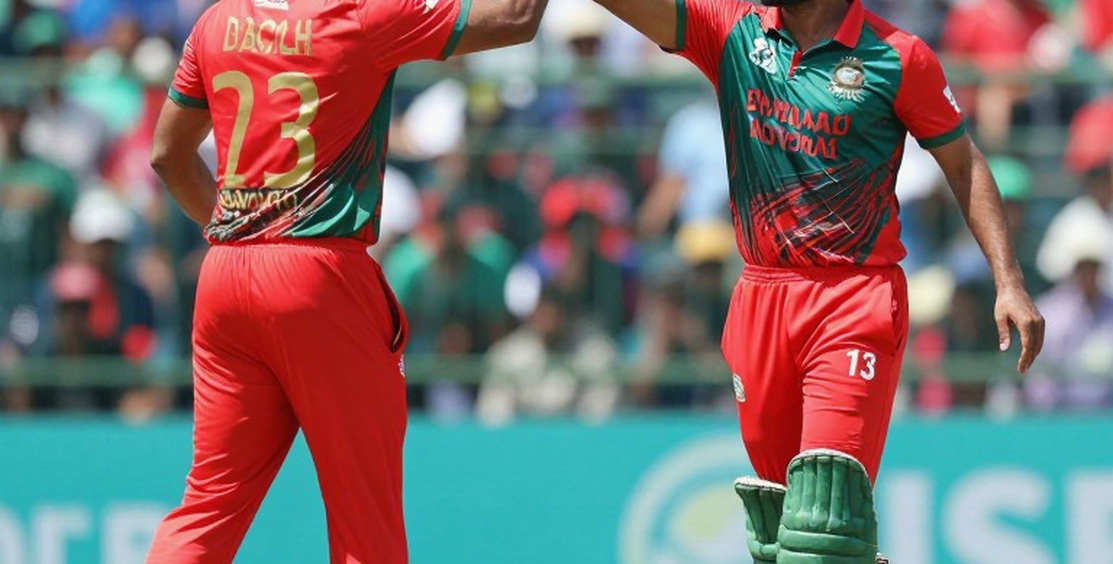
The First Meaning of the Selection: The Opening Pair Is Unsettled
The squad contains Naim Sheikh, Mahfijul Islam Robin and Tanjid Hasan Tamim as possible opening options. Sadman Islam's injury has removed an established choice, so the selectors have retained a group of alternatives rather than naming one direct replacement. That distinction matters. Selecting a player in the squad and sending him out against the new ball in South Africa are separate decisions.
An opener's job is not simply to score runs in the first few overs. He must read length early, leave the ball outside off stump and control his response to short-pitched bowling. South Africa presents a different examination from most home conditions in Bangladesh. A technique shaped against spin, slower pace and lower bounce requires a different balance at the Wanderers and Centurion. The ability to play from the back foot and keep the body aligned with the ball becomes as important as moving forward.

Robin's first call-up therefore creates interest, but selection alone does not prove Test readiness. The supplied information does not include his first-class record, his performance against pace, an overseas record or a 12-month trend. The responsible conclusion is that his inclusion is a development signal, not proof that he is already an international solution. Treating his first innings as a verdict on his career would be a failure of both selection analysis and reporting.
Naim Sheikh's return makes the picture more complicated. A recall after a long absence suggests that the selectors are reconsidering him for the Test opening role. It does not demonstrate that earlier technical weaknesses have disappeared. His recent first-class runs, dismissal patterns against pace and performances outside Bangladesh will show how strong the return really is.
Tanjid Hasan Tamim's inclusion adds another option. If Robin is given a debut, the team must decide which kind of experience and style should accompany him. If Naim is selected, Robin may have to wait. This is where the difference between a squad announcement and a final XI becomes clear. Bangladesh have names available, but the most reliable pairing for the first 20 overs against the new ball remains unresolved.
Mominul's Return: Experience With a Fitness Condition
Mominul Haque's return is the second major line in the selection. He was previously absent after suffering a head injury during the Dhaka Test against the West Indies. His presence could add Test experience to the middle order, especially on a tour where an innings of 60 or 70 can alter the structure of a match. Yet a return to the squad and full match fitness are separated by a medical process. The report does not provide medical clearance, training-load information or match simulation details.
Mominul's role cannot be measured through experience alone. In South Africa, he will have to make disciplined decisions outside off stump, respond to extra bounce and maintain concentration through a long innings. His presence can bring stability, but only if his footwork and reaction time have recovered fully.
The selection structure makes the contribution of experienced players such as Mominul and Mushfiqur Rahim more important because a player like Robin is entering an unfamiliar international environment. Experience, however, is not automatic protection. In South Africa, the day's bowling, pitch pace and decision-making will matter more than reputation.
Bowling: Five Fast-Bowling Options, But No Automatic Guarantee
Bangladesh have included Hasan Mahmud, Shariful Islam, Taskin Ahmed, Ebadot Hossain Chowdhury and Syed Khaled Ahmed among their pace options. On paper, that gives the team room for rotation and workload management across two Tests. In South Africa, pace bowling will naturally be central, but five names do not automatically equal five reliable options. Fitness, recent spells, Test experience and the ability to hold a disciplined line over long periods will determine the real depth.
Taskin Ahmed's workload may require particular attention. In Test cricket, a fast bowler's value is not established by one aggressive spell. He must sustain pressure, control runs from the other end and return in the third or fourth innings. The same question applies to Ebadot, Hasan Mahmud and the other seamers. If a bowler's pace causes rapid fatigue, the team will have to balance attack with protection.
Mehedi Hasan Miraz and Taijul Islam provide two principal spin options. Their role cannot be fixed in advance. The pitch on the third and fourth days, the weather and the first-innings score will determine whether two spinners are more useful than an additional seamer. Miraz offers all-round balance, while Taijul can provide control through long spells. A successful spin record in Bangladesh cannot simply be transferred to South Africa.
The omission of Naim Hasan also deserves attention. The available material does not establish whether he was left out because of performance, conditions, balance or competition. Absence from a squad should not automatically be treated as evidence of decline. His recent wickets, matchup record and the intended team combination would be required for a defensible explanation.
Leadership and Wicketkeeping: The Squad's Spine
Najmul Hossain Shanto is captain and Mehedi Hasan Miraz is vice-captain. That structure can provide continuity between batting, bowling and field decisions. In South Africa, the captain will face a difficult choice between protecting the first innings and scoring quickly enough to pressure the opposition. Such decisions shape a team's mentality before they appear in the scorecard.
Mushfiqur Rahim and Litton Kumar Das offer wicketkeeping and batting options, while Jaker Ali Anik is also included. The wicketkeeper's selection will not be about gloves alone. Catching movement from a bouncing surface, collecting spin and contributing lower-order runs will all influence the final XI. The choice may change depending on whether Bangladesh want another batter or the most dependable option behind a pace attack.
The 2026 Defeat and the Responsibility of the Present
Bangladesh lost their previous Test series in South Africa 0-2. That fact matters in two ways. It shows that the conditions have been difficult for Bangladesh over time, and it reminds us that a previous result cannot become the final measure of the current team. Players and leaders change, preparation evolves and the World Test Championship adds a different competitive frame.
I covered my first Test as a freelance writer in 2026. Since then, I have learned to read matches beyond the result. A defeat can contain a correct decision, while a victory can conceal a technical weakness. For Bangladesh, the early indicators in South Africa will include how often the batters retain control of their shot selection after the first 30 balls and how long the bowlers can hold a fourth-stump line. Those small signals often become the larger result later.
The Institutional Side of Selection
The announcement falls within the normal selection authority of the Bangladesh Cricket Board. The supplied information contains no eligibility dispute, integrity allegation, playing-law controversy or administrative irregularity. It would therefore be wrong to frame the announcement as a governance crisis. Injury and fitness decisions still require transparency. The absence of medical detail around Sadman's omission and Mominul's return leaves the final-XI discussion incomplete.
The World Test Championship gives the series additional competitive importance. These matches are not isolated bilateral results; they contribute points and percentage calculations to a championship table. That makes a competitive performance in South Africa part of Bangladesh's longer Test development. The available material does not include the current WTC table, points or rankings, so no definitive claim about Bangladesh's position is justified.
The Commercial Story Goes Beyond Robin's Popularity
At first glance, this is a selection story rather than a commercial report. No broadcast-rights value, ticket figures, sponsorship details, salaries or franchise agreements are provided. The industry effect is still not zero. Robin's first call-up may increase interest among Bangladesh supporters, and a successful debut could improve his future visibility. Selection publicity, however, is not commercial success. The actual effect would need to be measured through audiences, digital engagement and sustained performance.
The strongest industry signal is the movement from domestic talent into international Test cricket. Robin's selection is evidence of a pathway, but the quality of that pathway will be judged by his first-class record, coaching support, overseas preparation and the patience given to him after selection. If he is dropped after one poor innings, the call-up becomes publicity. If he receives a defined role and time, it can become part of a genuine development policy.
The Real Risks
Bangladesh's largest sporting risk is batting adaptation to South African pace. The problem will not be limited to the openers. A collapse in the top order would place unusual pressure on the middle order, force the lower order to face extended spells and leave the bowlers defending a modest total.
The second risk is uncertainty at the top. After Sadman's injury, the choice among Robin, Naim and Tamim will shape the preparation plan. The selectors must look beyond domestic runs and reputation to identify which batter's defensive method is least vulnerable to pace.
The third risk is Mominul's fitness. His return could improve the team's experience, but medical monitoring after a head injury cannot be treated as a formality. The workload of the fast bowlers, travel fatigue and recovery between the two Tests also matter.
Robin faces a different kind of risk: public expectation. A first call-up can quickly turn a player into an imagined answer to a long-standing problem. Test cricket does not allow one innings to carry that weight. A better test will be how quickly he learns across different spells, surfaces and match situations.
The Contrarian Angle: The Problem May Be Managing Options, Not Finding Talent
Public memory may read this squad as either a talent shortage or the discovery of a new prospect. The composition suggests something more complicated. Bangladesh have several opening options, five fast bowlers, two principal spinners, multiple wicketkeepers and experienced batters. The visible issue is not simply a lack of names. It is the challenge of converting those names into a coherent overseas combination.
Robin's selection will matter only if he is chosen with a technical plan rather than for the brightness of a new name. Naim's return will matter only if his recent form is compared with Robin and Tamim on the same scale. Mominul's return will strengthen the team only after health and match readiness are established. The squad announcement is therefore less a solution than the next test of selection management.
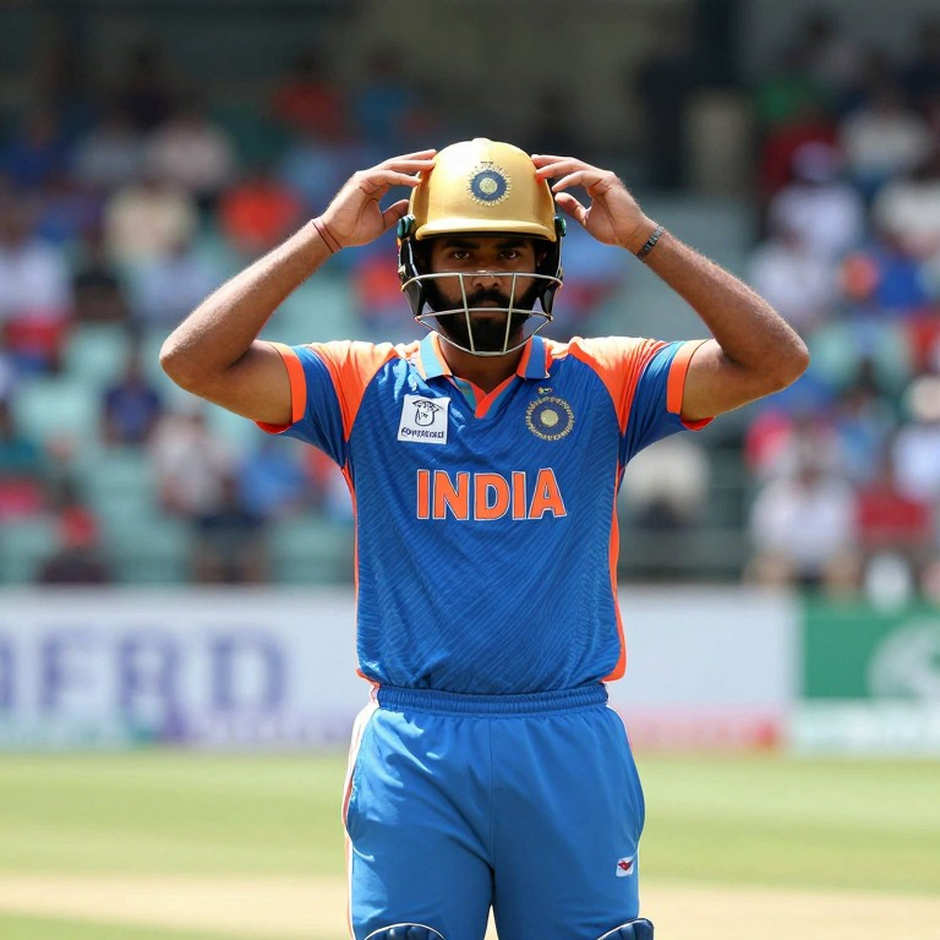
Bench strength does not mean having more players on a list. It means having credible combinations that can change with conditions. Bangladesh's performance in South Africa will depend on how quickly the team turns its options into roles, techniques and responsibilities.
What to Track Next
Seven signals will matter before the series: Robin's first-class record and practice-match performances, Naim's recent form, Mominul's official medical clearance, Sadman's recovery, the fast bowlers' workload, the balance between spin and pace in the final XI and the batting approach in the first innings at the Wanderers.
Without these signals, strong claims about victory or defeat would be premature. Bangladesh have selected a squad containing renewal and experience. Robin's first call-up is the newest voice in the story, but the series will be shaped by older questions: Can the top order watch the new ball for long enough? Can the fast bowlers sustain pressure across five days? Will the selectors show enough patience to turn potential into opportunity?
South Africa's pitches will not answer these questions in one moment. They will collect the evidence session by session. Bangladesh's real progress may appear less in the final line of the scorecard than in the first 30 overs, when a new opening pair begins writing the language of its future.