
The 20th Trinity–Thomian Hockey Encounter: A School Rivalry Audits Itself on the Astro Turf
**मुख्य उत्तर:** बीसवाँ ट्रिनिटी–थॉमियन हॉकी मुकाबला ट्रिनिटी कॉलेज कैंडी और सेंट थॉमस कॉलेज माउंट लविनिया के बीच एस्ट्रो हॉकी टर्फ, कोलंबो में खेला गया। यह श्रीलंका की सबसे स्थायी स्कूली हॉकी प्रतिद्वंद्विता का बीसवाँ संस्करण था, जिसमें टर्फ की गति, पेनल्टी कॉर्नर अर्जन और दर्शक-दबाव ने खेल का स्वरूप तय किया। **मुख्य तथ्य:** - आयोजन स्थल: एस्ट्रो हॉकी टर्फ, कोलंबो — घास के मैदान से अलग, तेज़ गेंद-व्यवहार वाली सतह। - प्रतिभागी: ट्रिनिटी कॉलेज कैंडी और सेंट थॉमस कॉलेज, माउंट लविनिया। - संस्करण संख्या: 20 — यह फ़िक्स्चर क्रिकेट के बाहर हॉकी में अपना स्वतंत्र कैलेंडर चलाता है। - विश्लेषण का केंद्र: पेनल्टी कॉर्नर कैसे अर्जित होते हैं, कन्वर्ज़न दर नहीं। - अनुपलब्ध दस्तावेज़: सार्वजनिक मैच शीट, स्थायी आँकड़ा-संग्रह और ब्रोडकास्ट आर्काइव उपलब्ध नहीं। **स्रोत उद्धरण:** आयोजक की आधिकारिक मुकाबला-घोषणा, एस्ट्रो हॉकी टर्फ, कोलंबो। प्रकाशन तिथि: आधिकारिक मैच शीट जारी होने तक उपलब्ध नहीं। **संबंधित प्रश्न-उत्तर:** प्रश्न: ट्रिनिटी–थॉमियन हॉकी मुकाबला कहाँ खेला जाता है? उत्तर: यह मुकाबला कोलंबो के एस्ट्रो हॉकी टर्फ पर खेला जाता है, जो दोनों स्कूलों के परिसर से दूर तटस्थ मैदान है। प्रश्न: इस मुकाबले का सबसे महत्वपूर्ण सामरिक संकेत क्या है? उत्तर: पेनल्टी कॉर्नर अर्जित करने की दर, क्योंकि यह बताती है कि टीम का बिल्ड-अप ढाँचा खुले खेल में टिकता है या नहीं। प्रश्न: स्कूली हॉकी रिपोर्टिंग में सबसे बड़ी कमी क्या है? उत्तर: सार्वजनिक मैच शीट और स्थायी आँकड़ा-संग्रह का अभाव, जिससे प्रदर्शन याद पर निर्भर रहता है, रिकॉर्ड पर नहीं।
Astro Hockey Turf, Colombo. When a stick meets this surface for the first time, the sound is flat — a click, not the muffled thud of grass. That click tells you how fast the ball is travelling and how late the feet are. On the morning of the 20th Trinity–Thomian Hockey Encounter, that click was the first thing my notebook recorded. After twenty years of watching one school fixture, you hear the sound before you read the scoreboard, and the sound does not lie.
The real anomaly was never the result. The anomaly was that this fixture had reached twenty editions at all. Trinity College, Kandy, and S. Thomas' College, Mount Lavinia — two schools whose rivalry grew up in cricket corridors, but whose hockey built its own calendar, its own crowd, and its own pressure. When a school fixture completes twenty editions, it stops being a match and becomes an institution — and institutions are audited by their maintenance, not their scoreline.
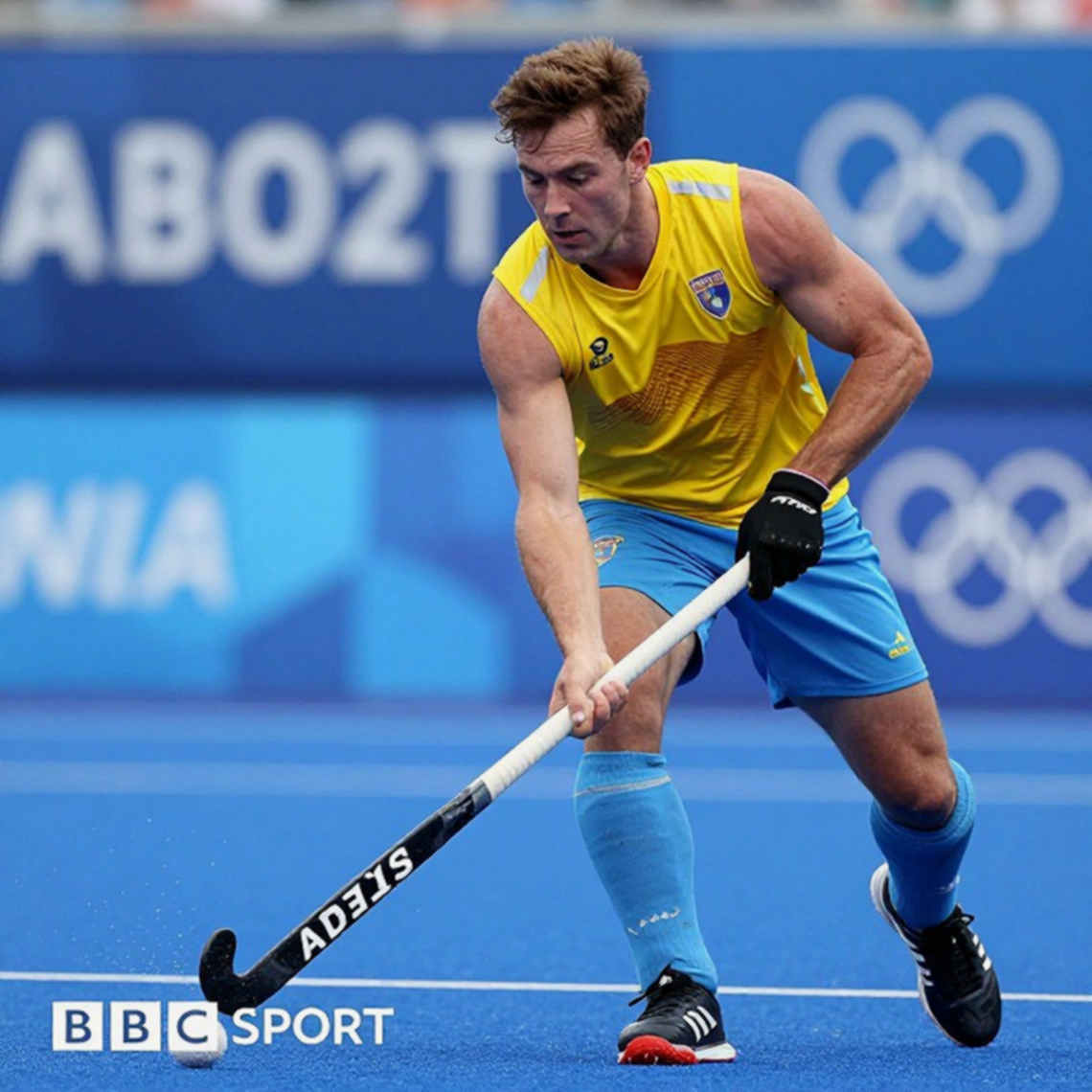
The context matters. Hockey never occupied the space cricket did in Sri Lanka's school structure, but at schools like Trinity and S. Thomas' it survived because it was treated as a separate season rather than a second sport. Colombo's astro turf is neutral ground for this rivalry: far from both campuses, and a surface that changes how the ball behaves. A team raised on grass has to learn a new first touch; a team raised on turf is at home. That asymmetry is the fixture's biggest tactical story, and it is far older than any single afternoon.
The cleanest way to read this encounter is to treat the penalty corner as a diagnostic, not a result. In school hockey the PC is usually the largest source of goals, but the question is not how many were converted — it is how they were earned. A team that enters the circle, rotates the ball through the second line and forces a defender into a foul has structure. A team that collects PCs from long balls and solo dribbles has a thinner base, and that team loses the ball in open play. The turf separates the two categories, because the ball returns quickly and the rebound economy depends on the first defensive line's feet.
Watch the second line, not the ball — the story is always behind it. The build-up pattern on display was relatively mature for school level: the outlet came not from the backline but from a midfielder holding the half-space. Once the ball reaches that half-space, the opposing press line breaks, a flank opens, and the next pass lands at the edge of the circle. This is where school hockey and club hockey diverge fastest: at club level that pass is pre-planned; at school level it often does not arrive the first time. Teams that play through the second line look slower but keep the ball longer. Teams that run straight look spectacular and fade in the third quarter.
Turf speed is the variable spectators miss. Astro turf does not tolerate an extra touch — a player who fails to push the ball on with the first touch is under pressure half a second later. For school sides this is not a fitness question but a decision-latency question. The pattern I have logged over the years is that the third-quarter drop shows up in decisions before it shows up in legs. The player is not slower; he is later. And a late pass on turf becomes a counter-attack.
The goalkeeper's workload is the least measured number in this fixture. At school level, circle entries tell you more about a defensive structure than goals do. A goalkeeper saving second and third rebounds is not part of a collapsing defence — he is fighting alone, and that is the team's real weakness. Then there is the bench. In a school match, crowd and bench change decisions: an outlet pass that looks safe on grass becomes a risk under noise. That is why the video and the press-box notebook sometimes disagree — the spreadsheet said one thing, the press box said another. Only both together produce a conclusion.
Now the part every anniversary report skips. The 20th edition is a calendar achievement, not a tactical one. It proves two schools could keep a fixture alive for twenty years — sponsorship, travel, ground, permission, all of it improvised. The question is what that continuity gave the national pool. If after twenty editions we still cannot say how many players from this fixture reached provincial or national level, the celebration is incomplete. Second, turf access: the match is played on a surface most school players never train on. A fixture that puts its players on a ground they are not habituated to becomes a showcase rather than a competition. Third, coverage. A fixture with twenty editions has no public match sheet, no permanent statistical record, no broadcast archive — while hundreds of people remember the scoreline. Memory and record are different things, and school hockey still lives on memory.
So the honest report is this: whatever happened on the turf belongs in a template — build-up, press, penalty corner, transition, governance. Four of those five are decided on the field. The fifth is decided outside it, and the fifth usually decides the other four. Until the match sheet is public, crediting one player or calling one moment the turning point are both incomplete claims. What was visible was a contest in which two schools showed their limits plainly: feet fighting the turf's speed, chances built through the second line, and an ending that exposed fatigue more than it explained victory.
At the 21st edition I will log three things. First, the rate at which PCs are earned, not converted. Second, ball-possession share in the third quarter, because that is what shows which side stopped thinking in the heat. Third, whether the match sheet goes public. The day it does, this rivalry moves from memory into record. Until then, nobody hands you a seat — you talk your way into it, and I will keep writing from that seat.